"We already solved this problem... and somehow we forgot."
Back in the day, database engineers learned this lesson the hard way.
We didn't call it "AI cost optimization." We called it bad query design.
And it hurt.
MCP at Scale refers to the implementation and management of the Model Context Protocol in large-scale environments, ensuring performance, reliability, and security for extensive AI applications.
View All Tags"We already solved this problem... and somehow we forgot."
Back in the day, database engineers learned this lesson the hard way.
We didn't call it "AI cost optimization." We called it bad query design.
And it hurt.
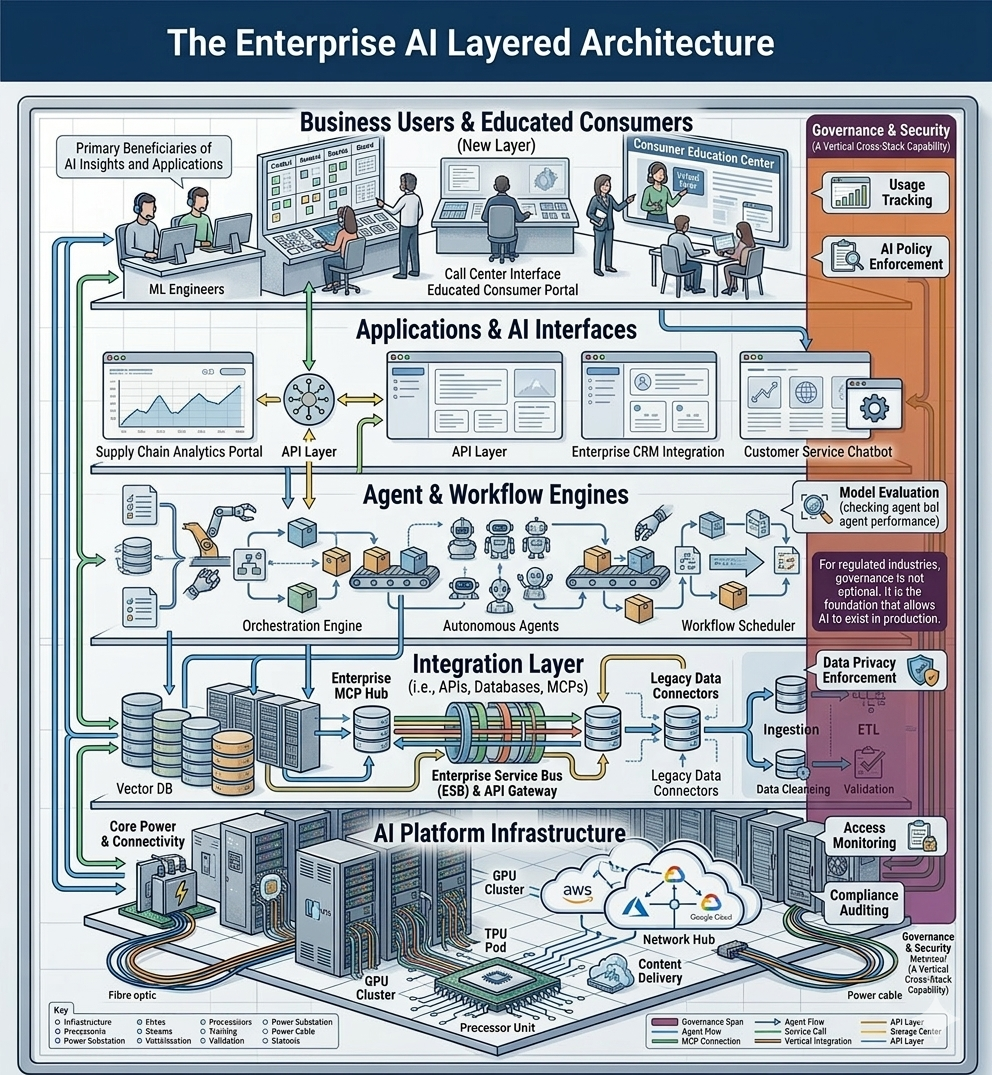
Enterprise AI is entering a new phase. Not the hype phase. Not the experimentation phase. The operational phase — where organizations must make AI safe, governed, and useful for real teams.
Over the last year, a clear pattern has emerged inside large enterprises experimenting with AI automation. What starts as scattered experimentation quickly evolves into a structured platform strategy.
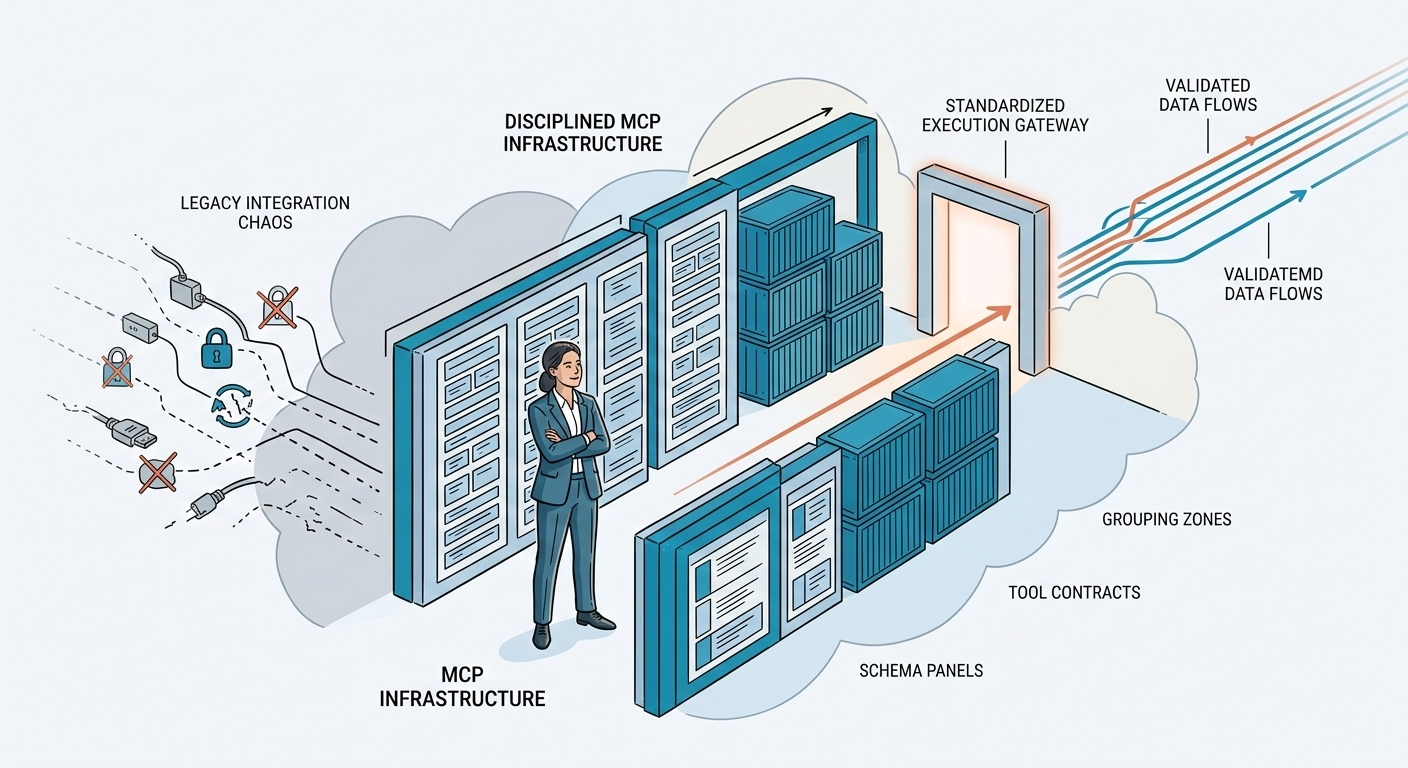
If every AI agent needs its own custom integration... you don't have an AI strategy. You have an integration nightmare.
Traditional APIs were built for humans and frontends. AI agents change the equation.
And this is where most teams misunderstand Model Context Protocol (MCP).
The "Hello World" phase of the Model Context Protocol is over.
As enterprises move from experimental chatbots to production-grade agentic systems, they are hitting the invisible walls of scale: token bloat, latency, governance, and discovery. What works for ten tools fails catastrophically at ten thousand.
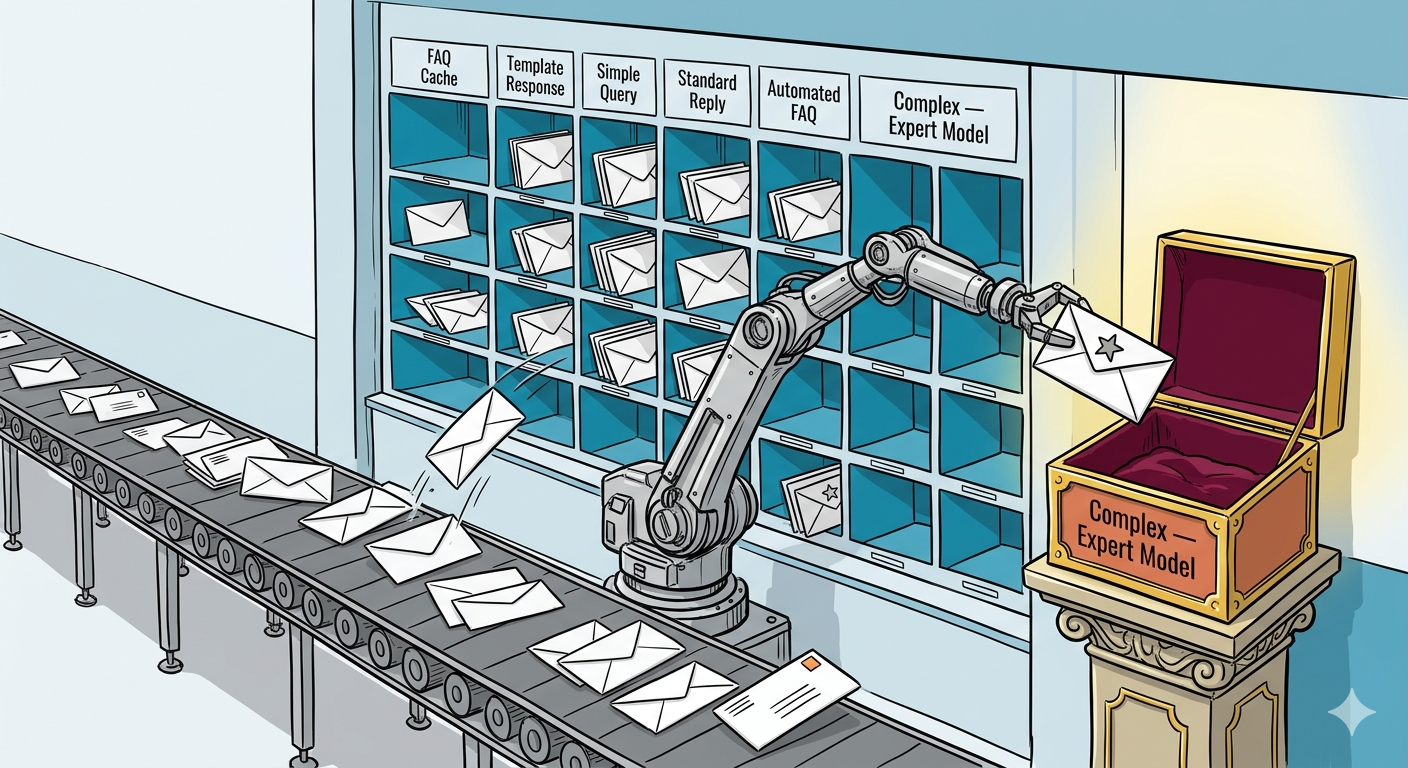
Your MCP just became a memory hog. And it’s quietly burning your budget.
If your Model Context Protocol (MCP) catalog is growing into the hundreds—or thousands—of tools, you’re already facing the next invisible scalability wall: token bloat.
And it’s not a theory anymore.