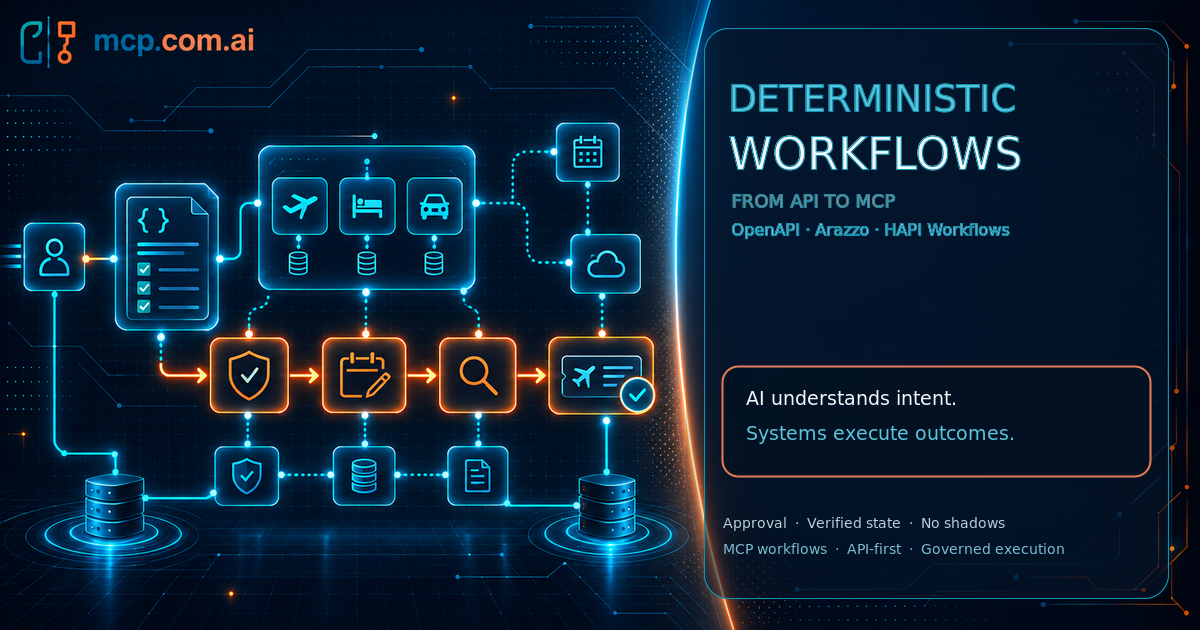
An AI agent can understand what a person means. It should not improvise how a production business process runs.
The architecture is simple:
AI interprets intent. APIs define the rules. Deterministic workflows execute approved outcomes.
The structural design and organization of systems, components, and their interactions within a software or hardware environment.
View All TagsAn AI agent can understand what a person means. It should not improvise how a production business process runs.
The architecture is simple:
AI interprets intent. APIs define the rules. Deterministic workflows execute approved outcomes.
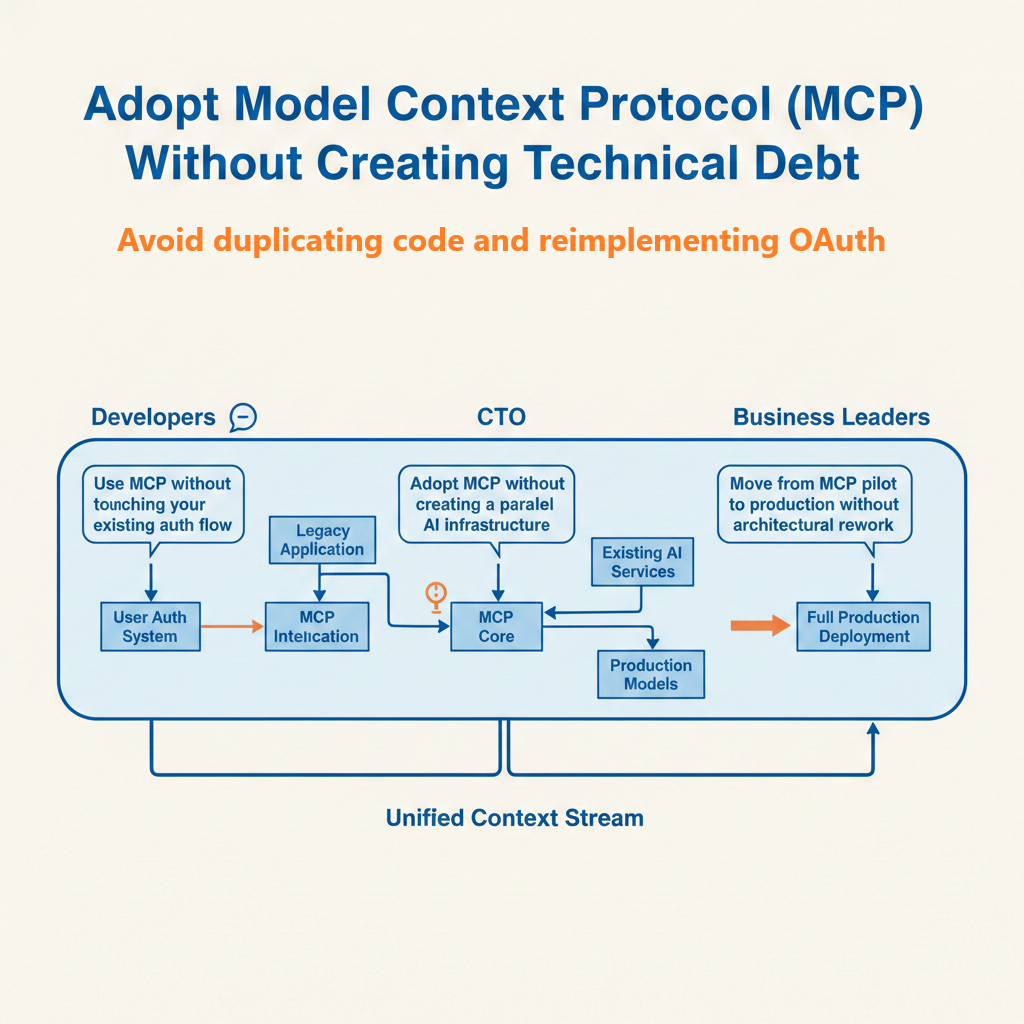
Every team adopting MCP eventually hits the same fork in the road: reimplement your business capabilities as an MCP server, or expose what you already have through one.
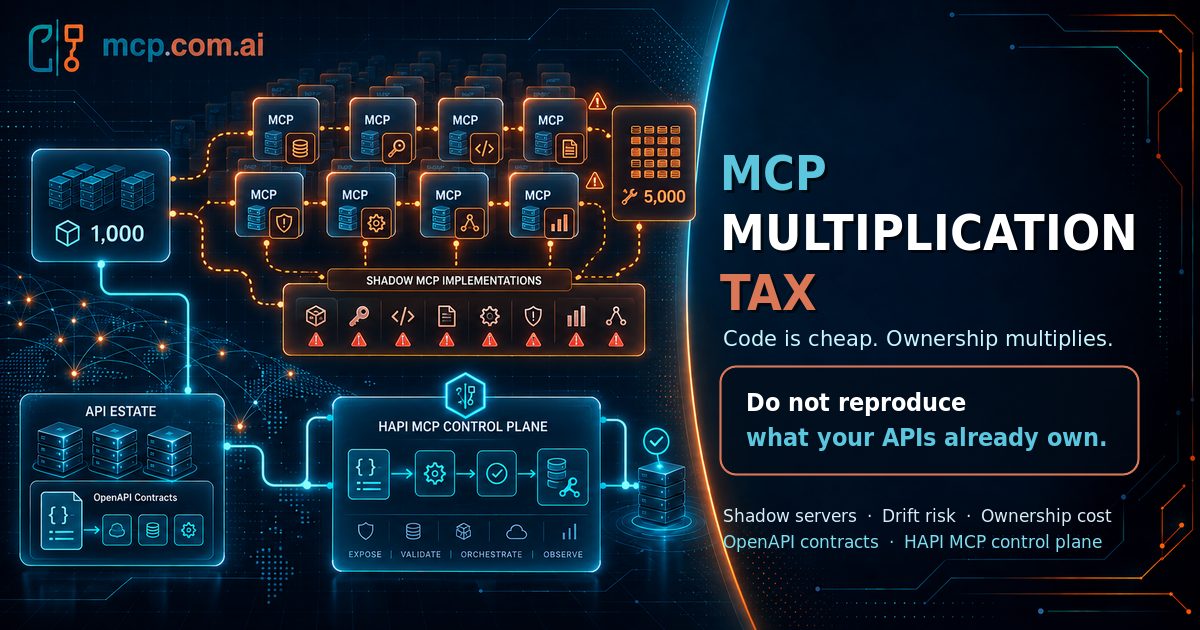
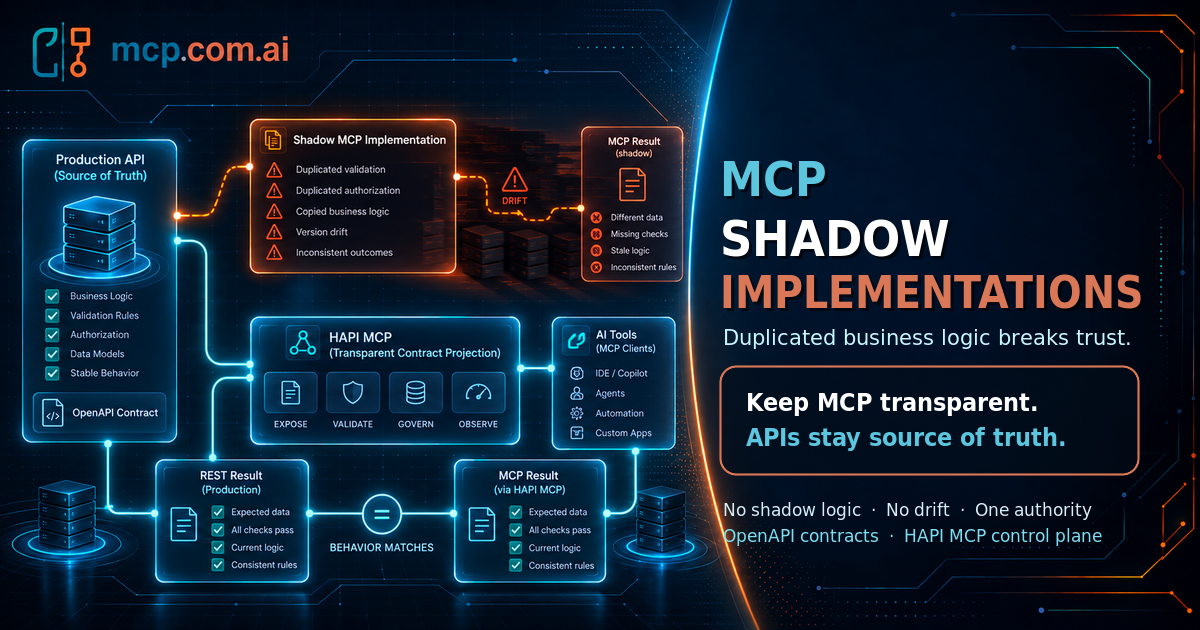
The first path feels faster on day one. It's also how a second, hidden application — a shadow of the one you already trust — gets built without anyone deciding to build it.
AI has dramatically reduced the cost of writing code. It has not reduced the cost of owning it.
That distinction may become one of the most important architecture lessons of the AI era.
Today, almost anyone inside an engineering organization can open an AI coding assistant and say:
"Here is my API. Build an MCP server for it."
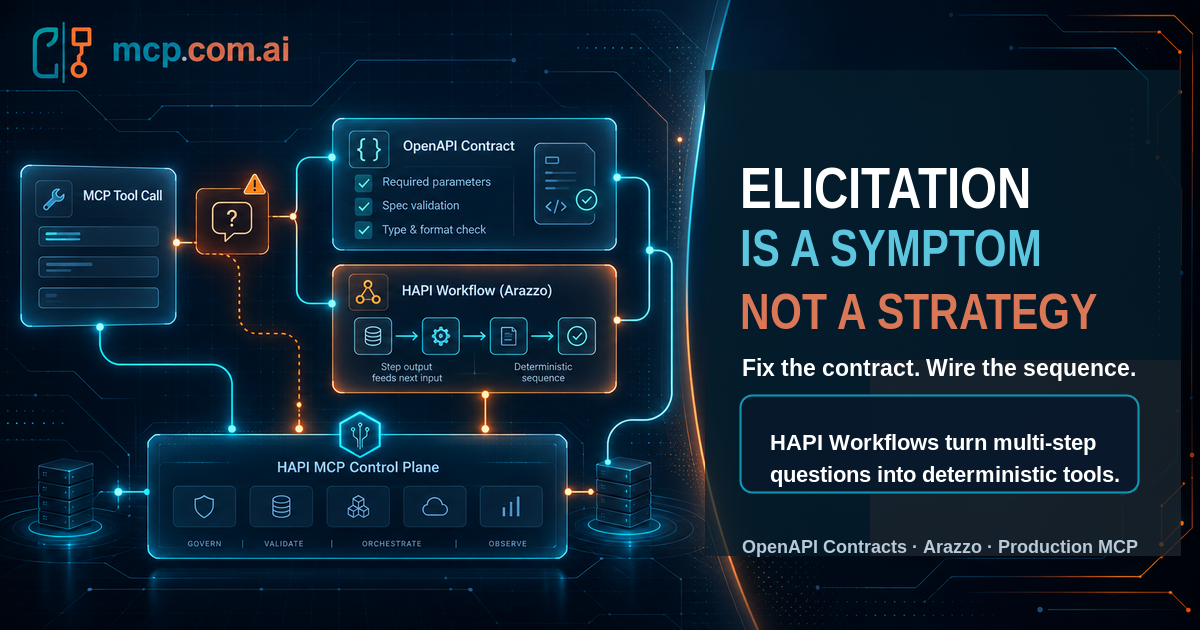
If your tool server needs to interrupt the model to ask a question, ask why the question wasn't answerable before the call started.
MCP elicitation is a real, spec-defined capability, and it solves a real problem. It's also becoming a convenient place to hide a design problem instead of fixing it.
The most valuable MCP server may be the one that refuses to become your application.
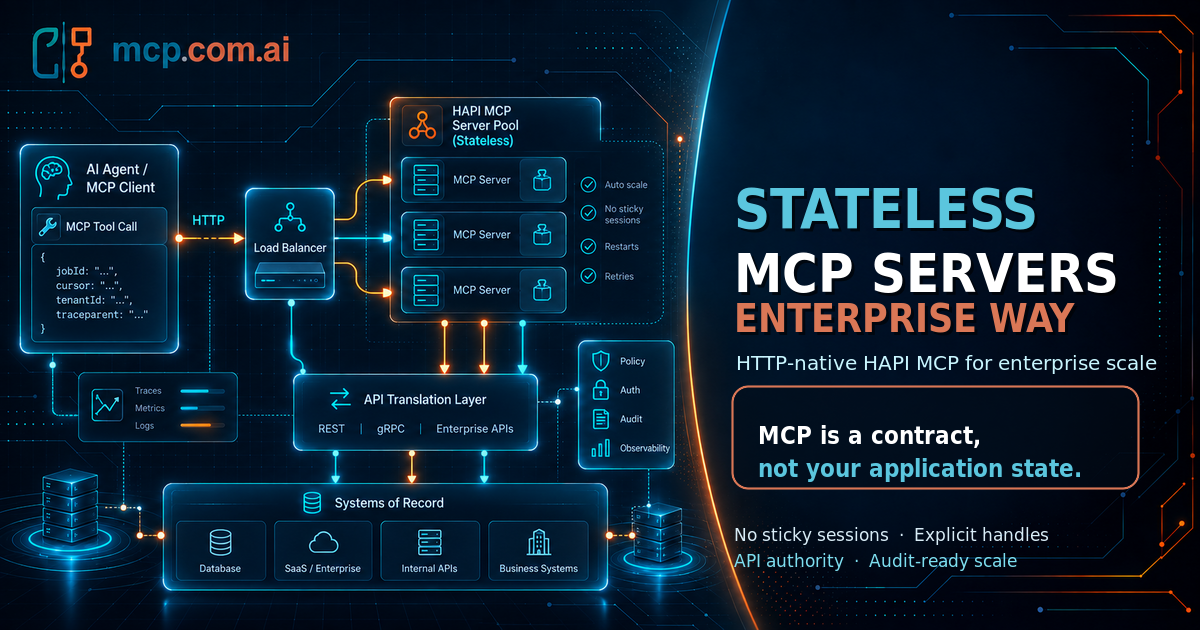
MCP is moving toward a clearer architectural truth: servers should be stateless.
Every line of business logic you duplicate into an MCP creates another place where your system can eventually disagree with itself.
And that disagreement has a cost.
"We already solved this problem... and somehow we forgot."
Back in the day, database engineers learned this lesson the hard way.
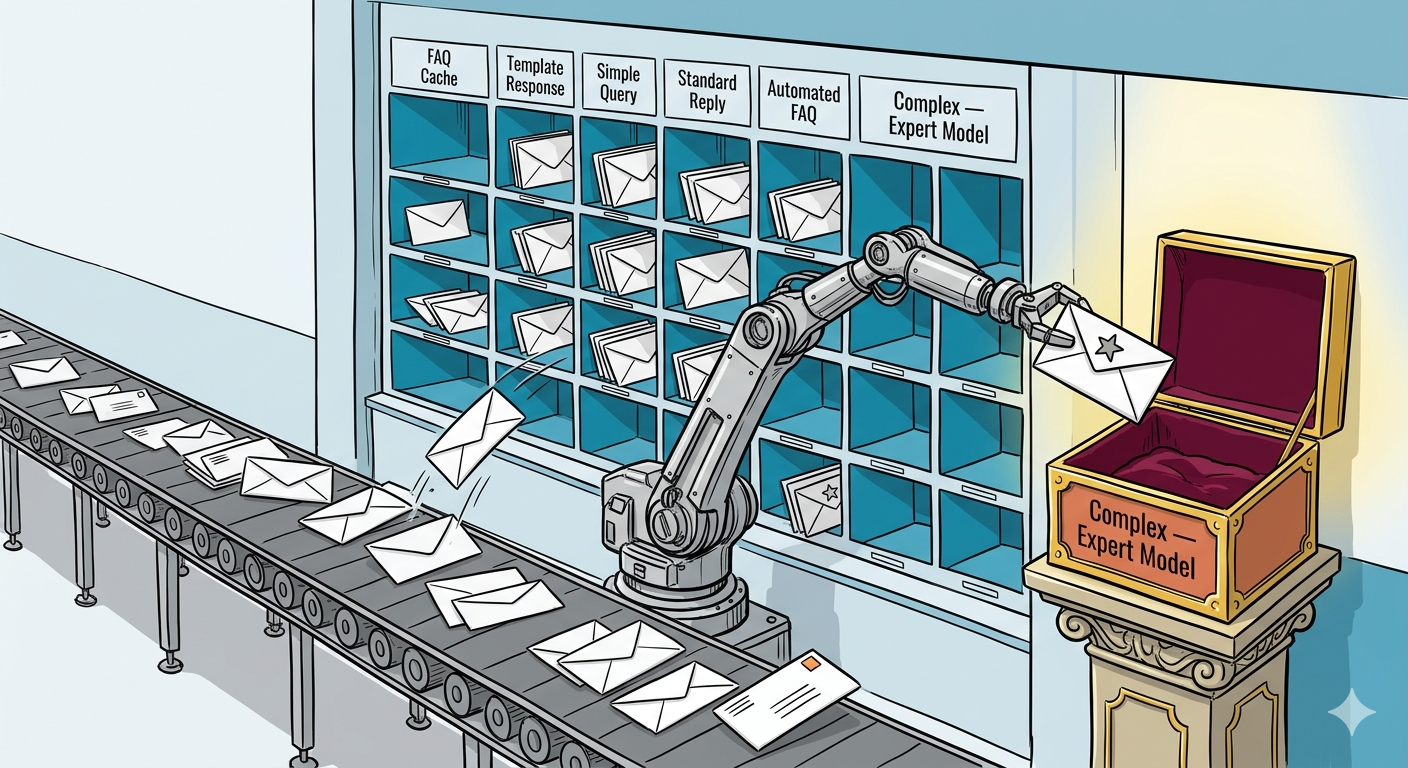
We didn't call it "AI cost optimization." We called it bad query design.
And it hurt.
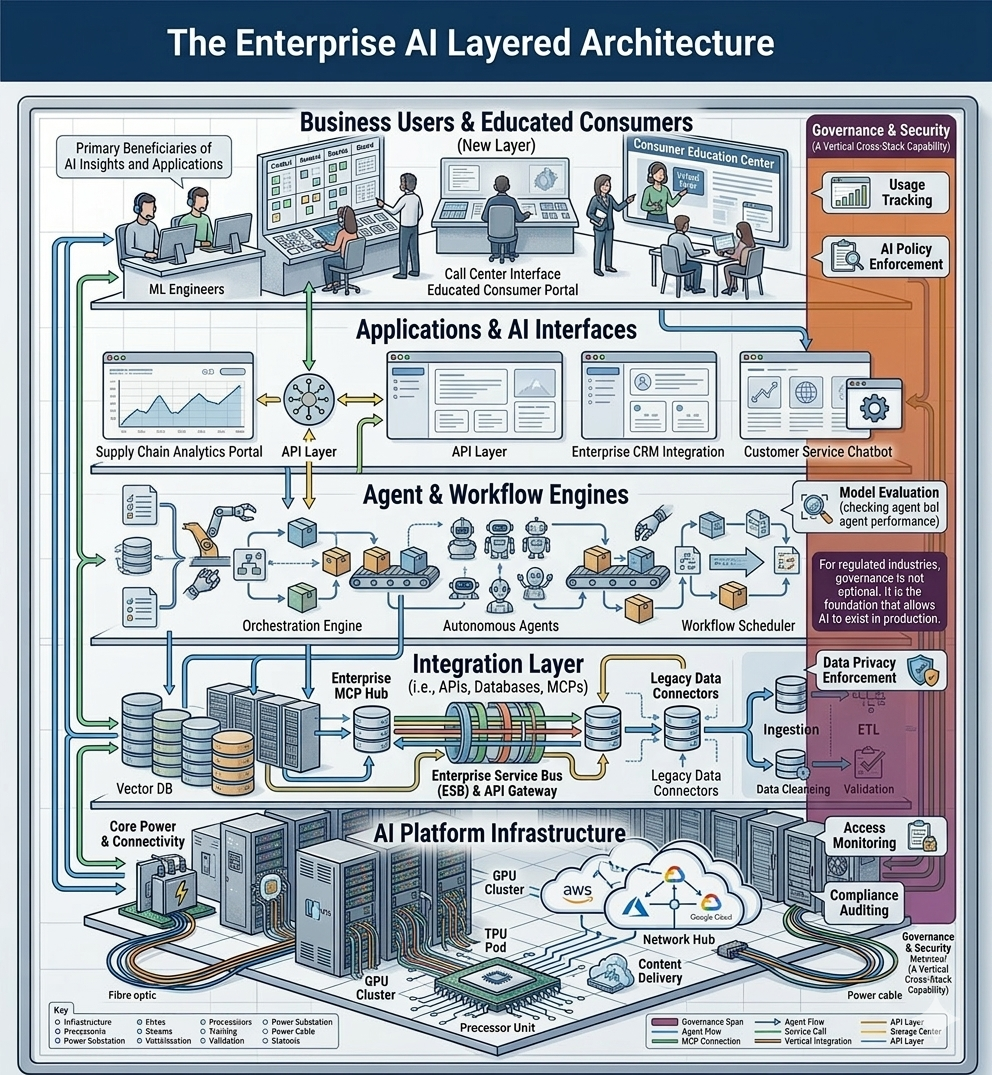
Enterprise AI is entering a new phase. Not the hype phase. Not the experimentation phase. The operational phase — where organizations must make AI safe, governed, and useful for real teams.
Over the last year, a clear pattern has emerged inside large enterprises experimenting with AI automation. What starts as scattered experimentation quickly evolves into a structured platform strategy.
Everyone wants AI agents. No one wants AI debt.
MCP enthusiasm is real. Enterprise constraints are also real.
Security. Auth. Compliance. Deployment pipelines. Audit logs. None of that disappears because we’re excited about agents.
The hard truth? Most teams building MCP servers today are moving fast — and quietly laying the foundation for the next generation of technical debt.
The "Hello World" phase of the Model Context Protocol is over.
As enterprises move from experimental chatbots to production-grade agentic systems, they are hitting the invisible walls of scale: token bloat, latency, governance, and discovery. What works for ten tools fails catastrophically at ten thousand.