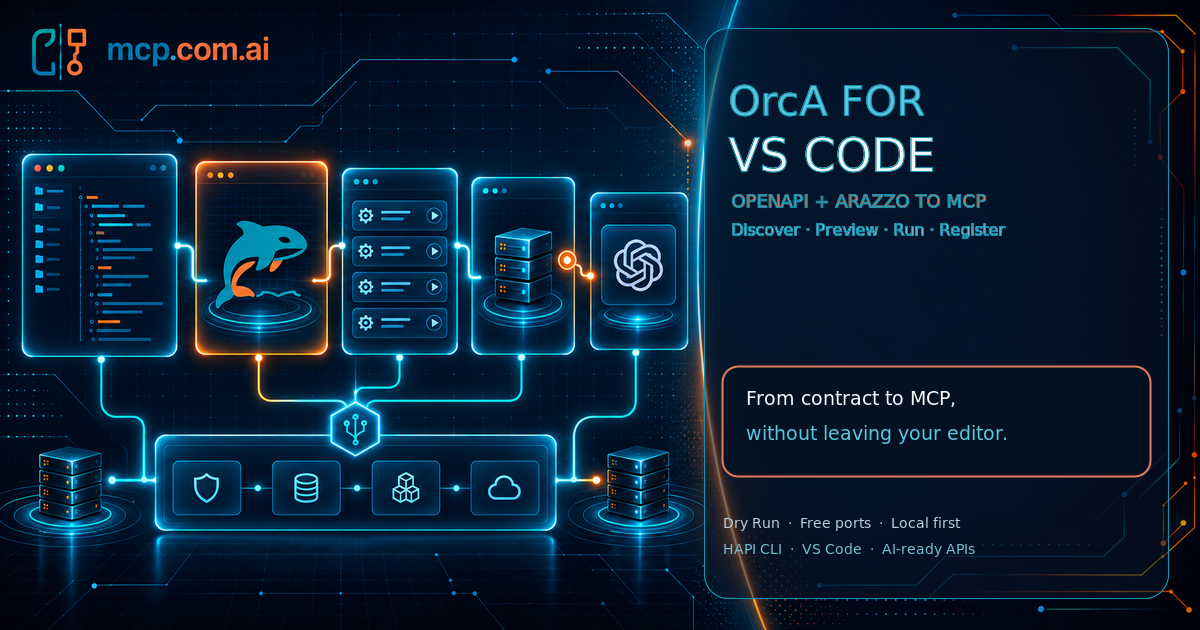
Your API contracts live in your editor. Until today, your MCP servers lived somewhere else: a terminal running a CLI, a browser tab with a console, a dashboard for deployments, and a doc page you kept re-reading. OrcA puts that whole journey in one place.
9 posts tagged with "Agentic AI"
Agentic AI refers to artificial intelligence systems that can autonomously perform tasks, make decisions, and interact with their environment to achieve specific goals.
View All Tags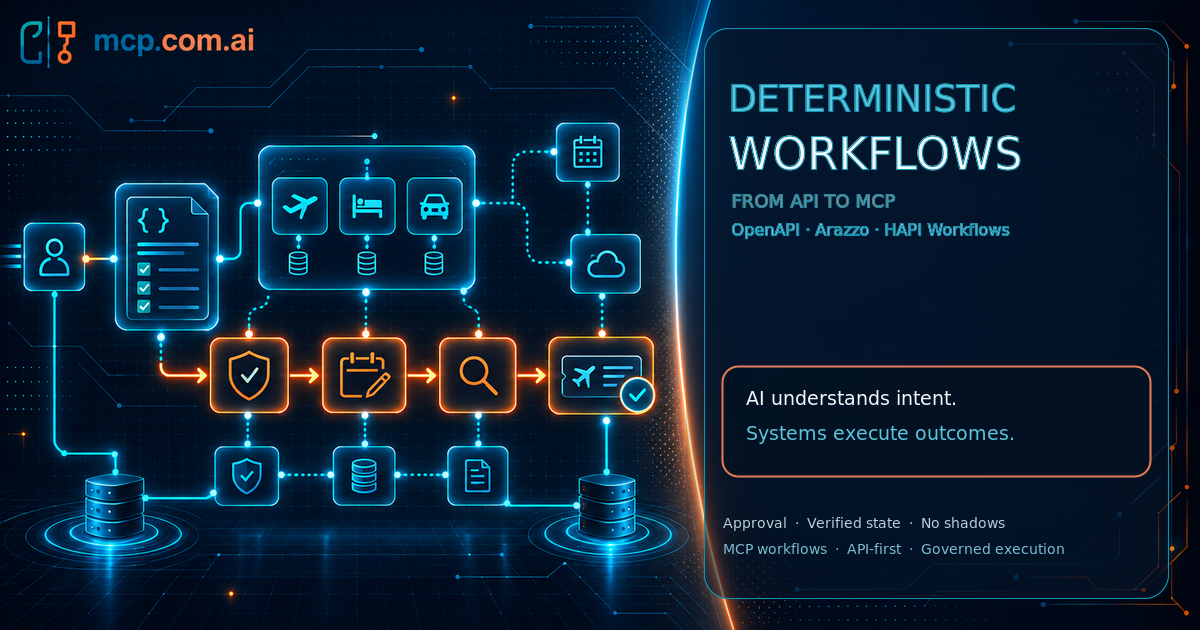
An AI agent can understand what a person means. It should not improvise how a production business process runs.
The architecture is simple:
AI interprets intent. APIs define the rules. Deterministic workflows execute approved outcomes.
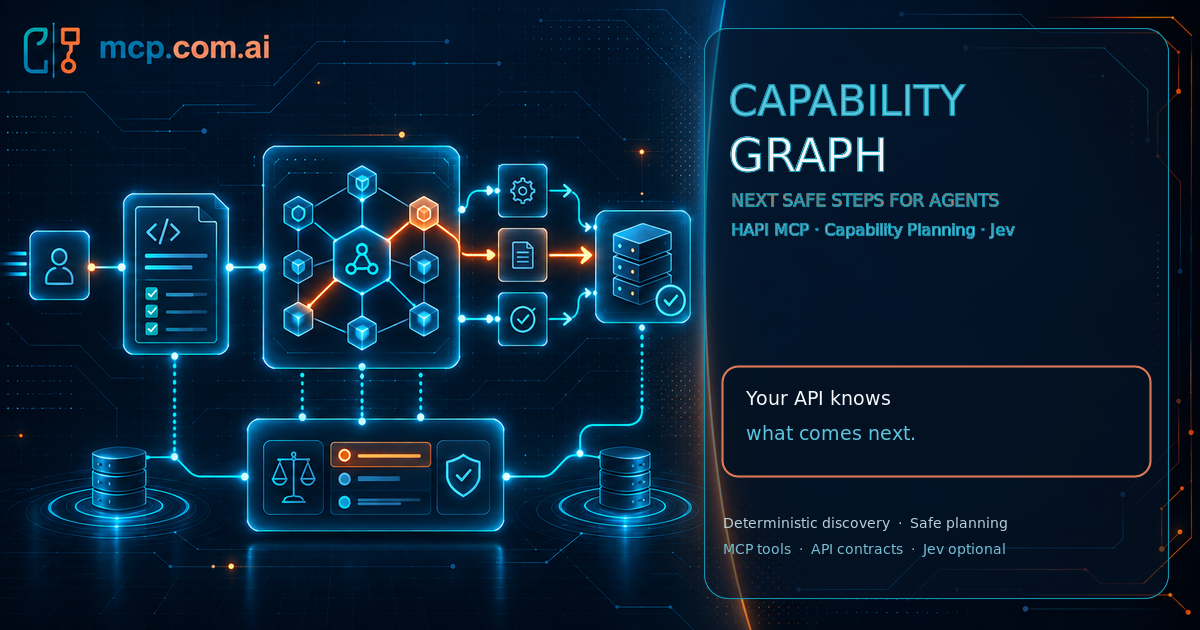
A common problem in production happens when an agent can see many tools, but it still needs to know which action is appropriate now, what must happen first, and when it should stop and ask. The non-deterministic nature of AI agents makes this particularly challenging without structured guidance.
The HAPI Capability Graph and Capability Planning address this problem by providing structured guidance for the agent.
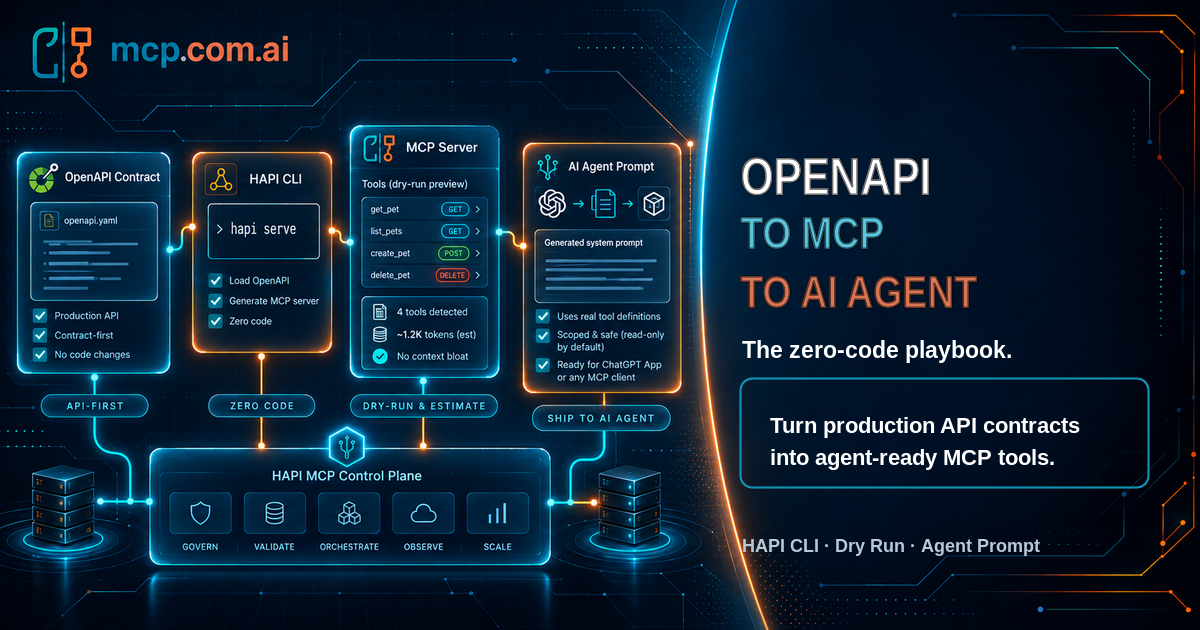
Your API is already production-hardened. It has authentication, validation, rate limits, monitoring, and a battle-tested OpenAPI spec describing every operation. None of that changes when an AI agent becomes the caller instead of a browser or a mobile app.
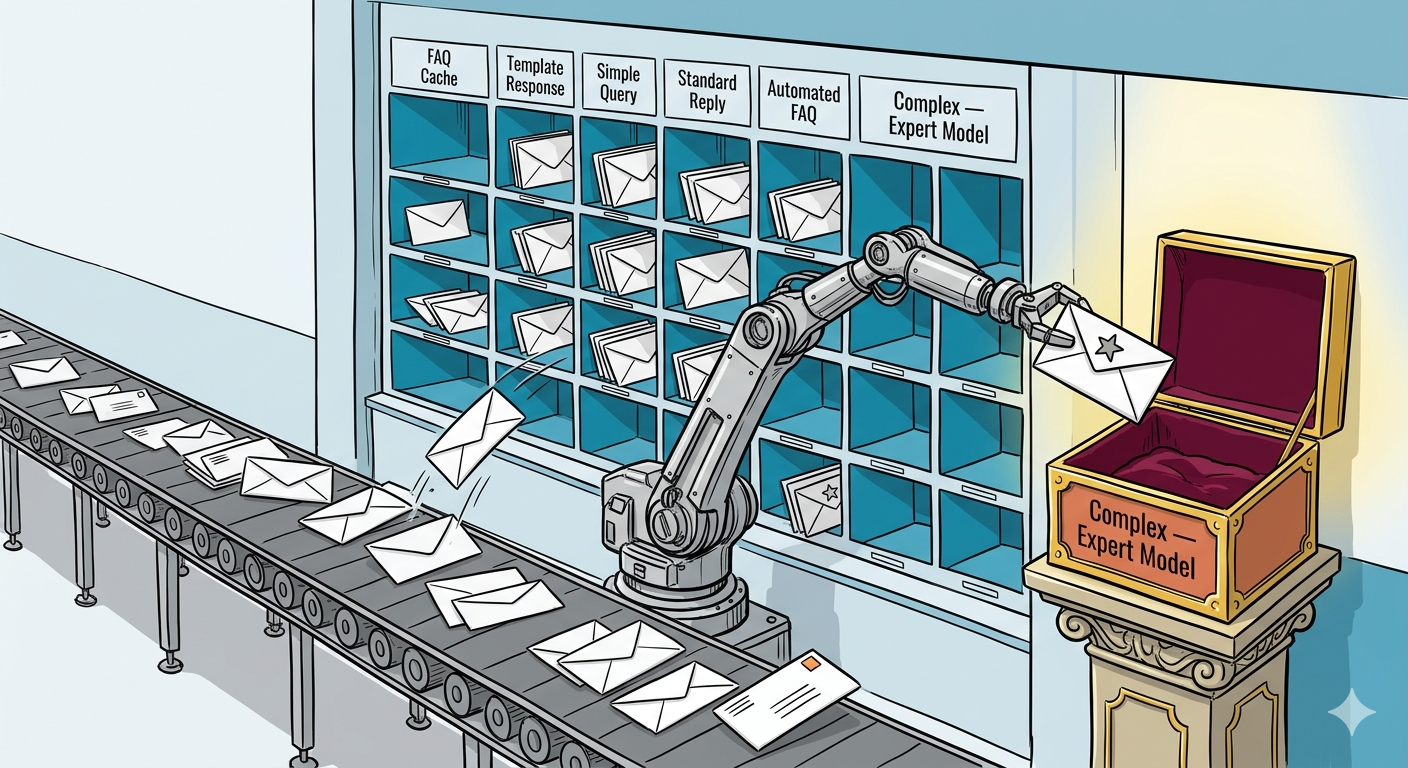
"We already solved this problem... and somehow we forgot."
Back in the day, database engineers learned this lesson the hard way.
We didn't call it "AI cost optimization." We called it bad query design.
And it hurt.
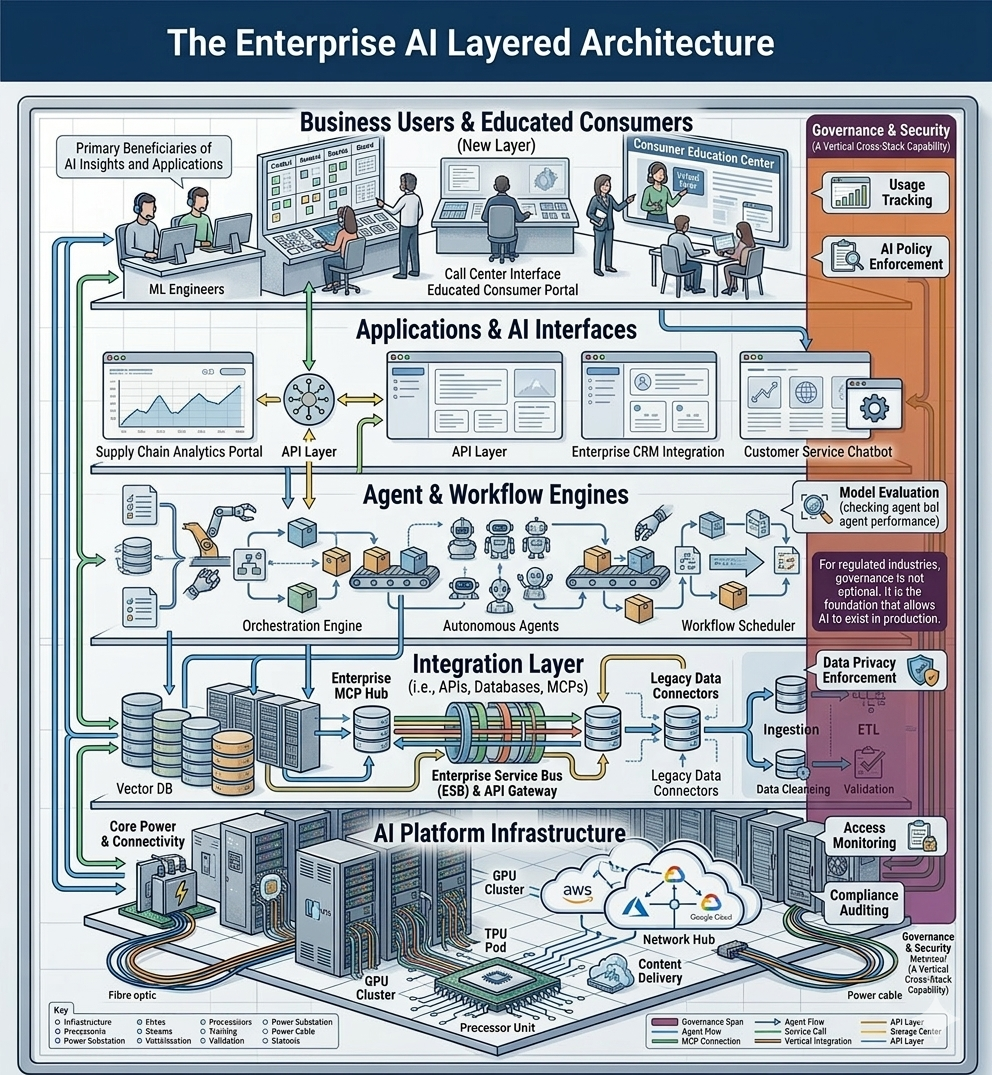
Enterprise AI is entering a new phase. Not the hype phase. Not the experimentation phase. The operational phase — where organizations must make AI safe, governed, and useful for real teams.
Over the last year, a clear pattern has emerged inside large enterprises experimenting with AI automation. What starts as scattered experimentation quickly evolves into a structured platform strategy.
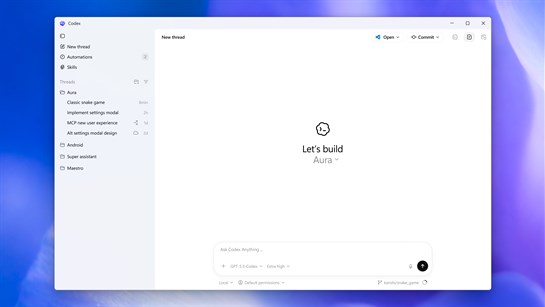
Something subtle but massive just happened in developer tooling. The IDE Is No Longer the Center of Development — Agent Orchestration Is.
For decades, the IDE was the center of software development. Everything revolved around it: edit → run → debug → commit.
Now something else is emerging.
A control plane for AI agents.
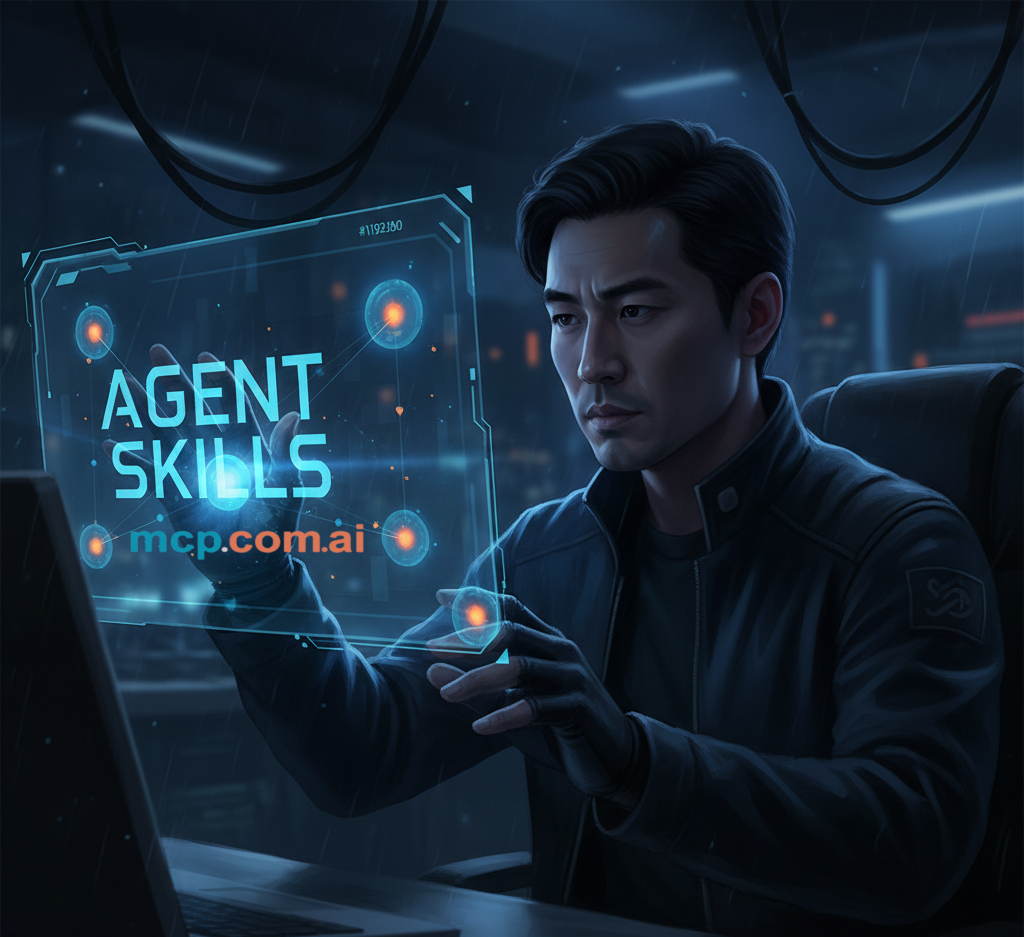
AI agents are getting smarter — and more dangerous.
Not because they reason better, but because they act without boundaries.
Agent Skills exist to fix that.
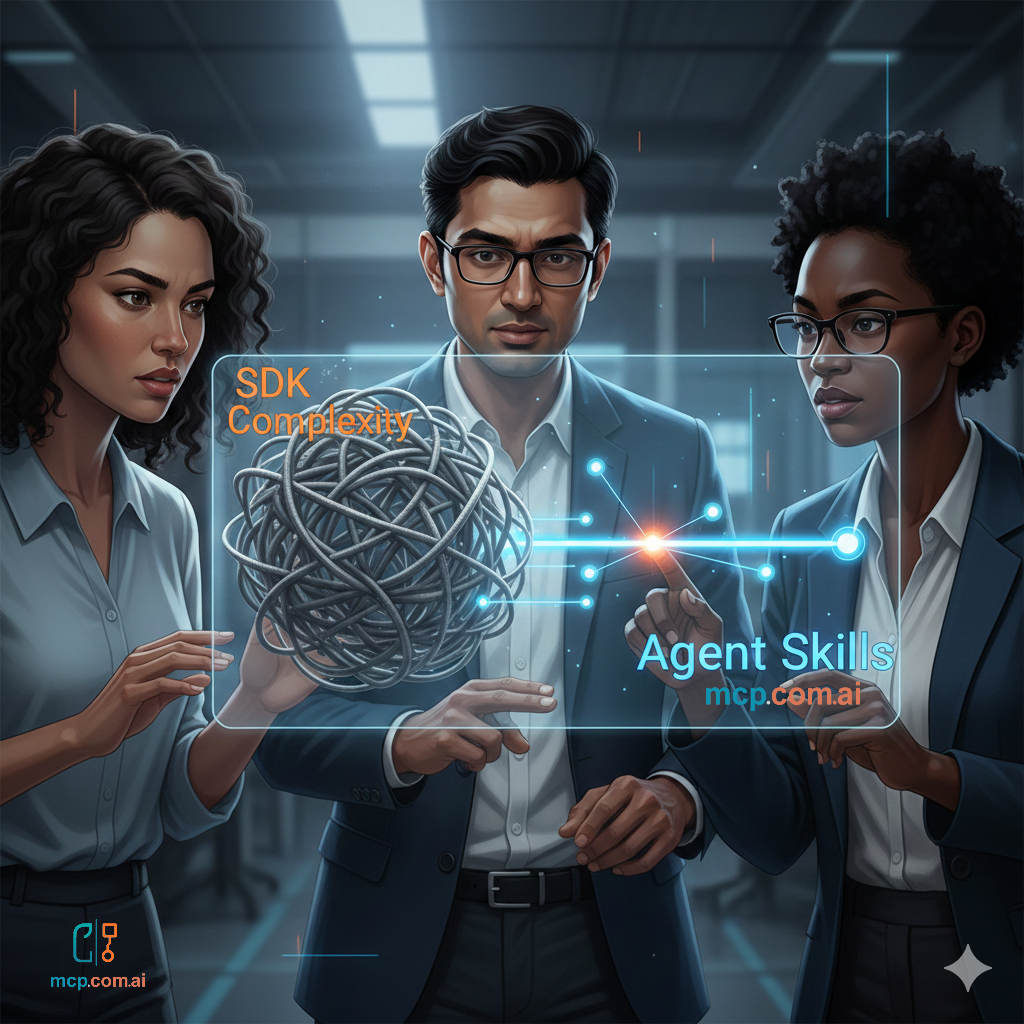
What's the lesson from Brian Casel's experience about the future of SDKs, no-code workflows, and automation?
In short: SDKs are dead - well, at least for many use cases in modern application development.