
Adrian Escutia
La Rebelion Founder
View all authors

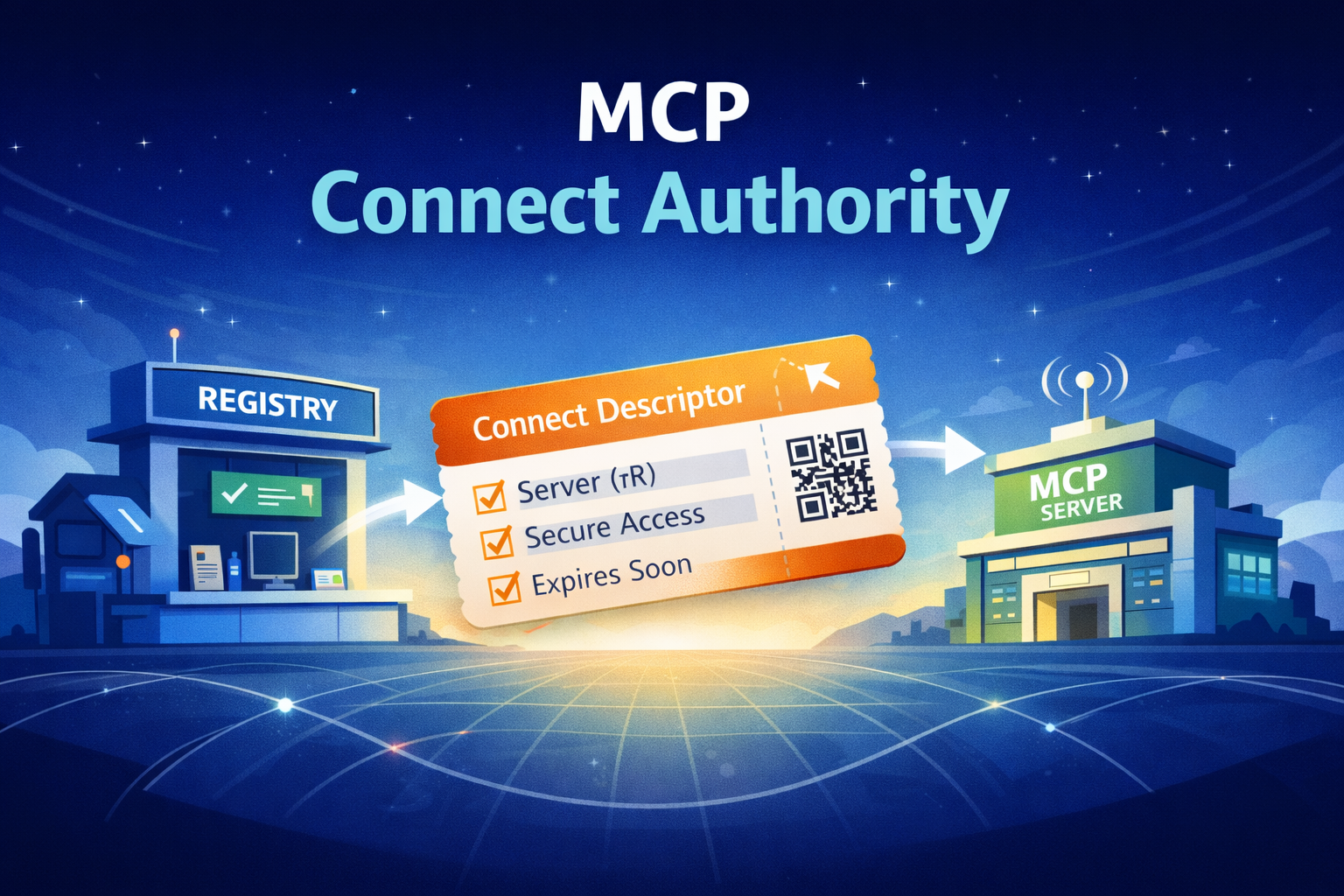
In the rapidly evolving landscape of the Model Context Protocol (MCP), architects are facing a critical decision: how to secure and govern connections between AI clients and a sprawling ecosystem of tools and data servers.

The traditional answer is a Gateway—a centralized proxy that inspects every byte. The modern answer is a Connect Authority—a distributed Zero Trust model that separates permission from traffic.

An evolution of tool calling with MCP, thanks to OpenAI's latest SDK updates.

Step-by-step, I'll guide you through setting up an MCP server, integrating it with the OpenAI SDK, and running a complete example that showcases dynamic tool calling. By the end of this post, you'll be equipped to leverage MCP in your own OpenAI-powered applications.

Prompt injection is a critical security risk for any system using large language models (LLMs), including those built with Model Context Protocol (MCP). You must understand how prompt injection works, why MCP cannot prevent it, and what steps you should take to protect your users and applications (MCP Clients).

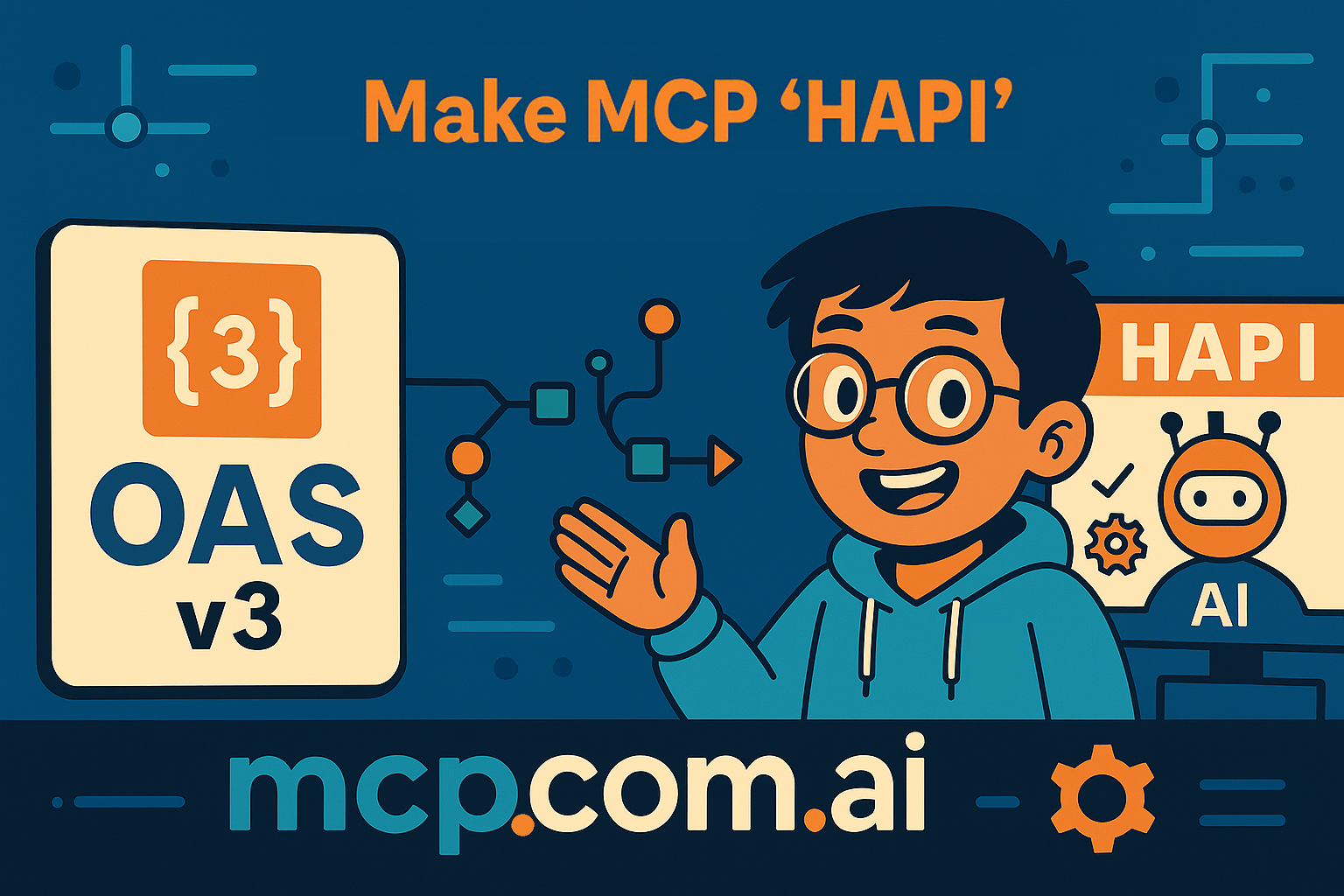
🚨 "OpenAPI Specification (OAS) v4 is out" - That I wish, this is the kind of headline I would expect to see soon, because OAS can easily be extended to enable RESTful APIs work seamlessly with AI.

By the end of this article, you'll know how to let any LLM call your REST tools automatically using OAS.